Understanding Skin Renewal With Platelet-Rich Plasma
PRP uses your own blood to switch on the body’s natural ability to heal. Learn how it works, its benefits and what to expect.

The science behind PRP
Blood is made up of plasma, red cells, white cells and platelets. Besides helping blood to clot, platelets release growth factors — signalling molecules that regulate cell growth and repair, boost collagen production and improve circulation.
How the treatment works
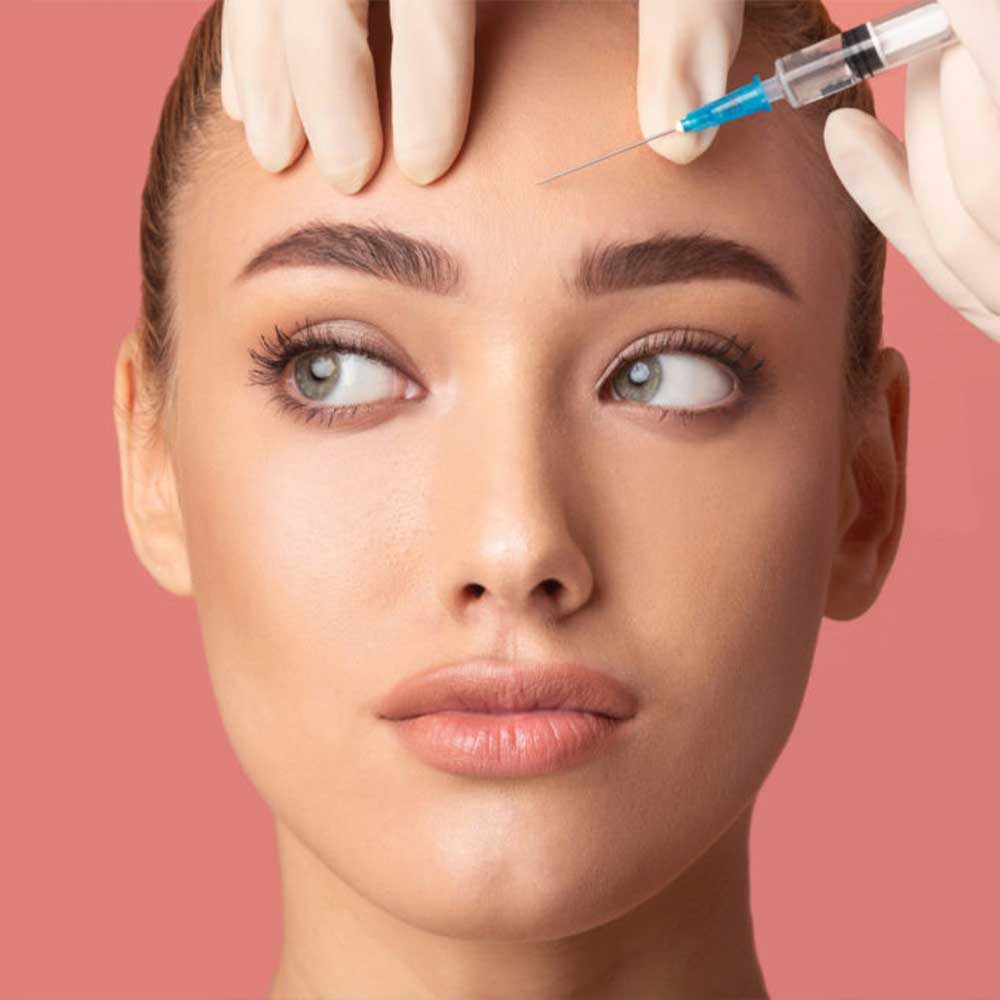
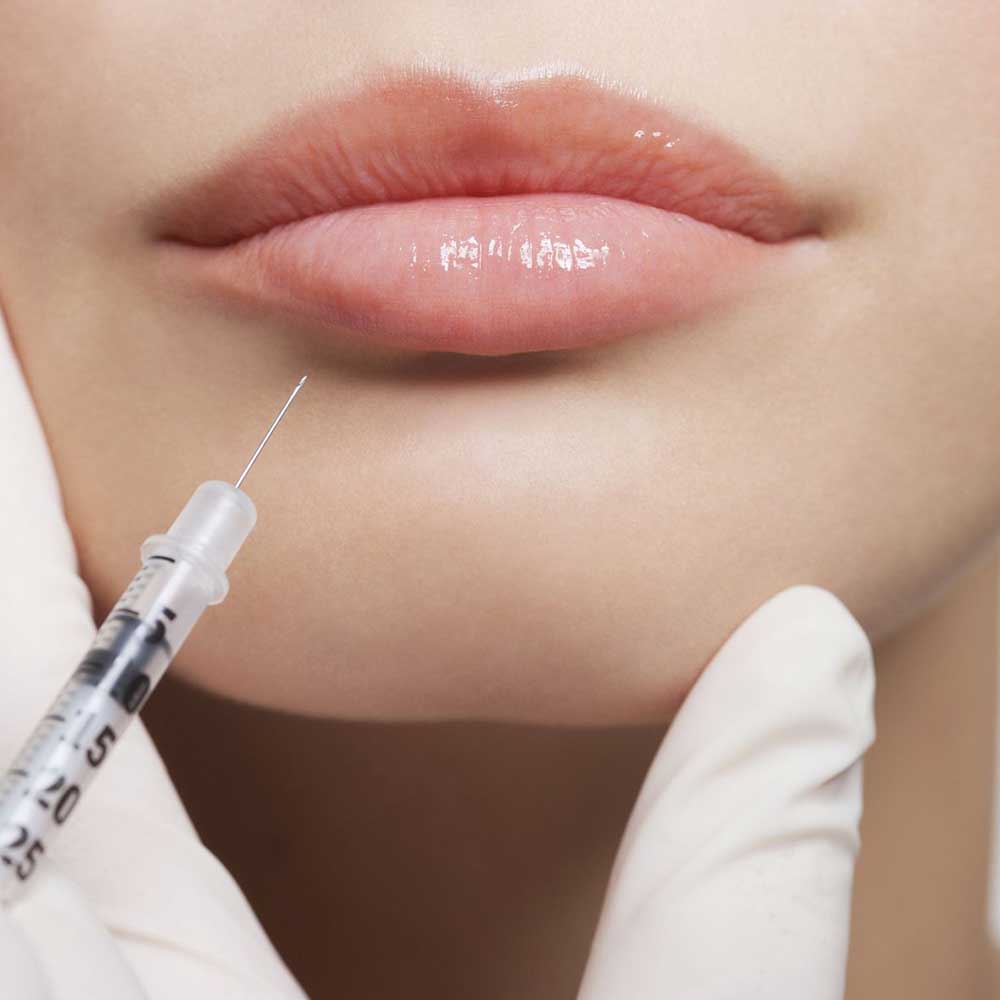
A small amount of blood is drawn from your arm, just like a routine blood test, and placed in a centrifuge. Spinning at high speed separates the components, producing a concentrated platelet-rich plasma that is then injected into the target area.
Benefits of PRP for the skin
- More collagen: firmer, younger-looking skin.
- Softer fine lines: a natural, subtle anti-ageing effect.
- Better texture: from sun damage to acne scars.
Risks and what to know
PRP is generally considered safe. Possible side effects include temporary pain, bruising, swelling or redness at the injection site. Because it uses your own blood, allergic reactions are extremely rare — yet choosing an experienced practitioner remains key. PRP is not a miracle cure and results vary; your consultation will determine whether you are a good candidate.